Working as an administrator in a zoo means also sometimes answering the general zoo telephone. Mostly we get questions about the ticket prices, opening hours, animals themselves and events. Springtime however is a bit different as babies are born not only in the zoo but naturally also in the wild. This means a lot of phone calls regarding chicks and other baby animals. It's good to know that so many people are concerned about the safety of wild animals but sometimes the concern is overwhelming. Just to remind you all, that wild animals should in most cases be left where they were found.
We got a funny phone call the other day. Mostly they are about found animals in the wild, but this one call was different from others. The conversation went on pretty much like this: "Hi, we got a dog few months ago and it's growing bigger. We don't have a problem with him, but the thing is that he doesn't bark at all, only howls, his head turns around quite funny, almost 180 degrees, he's got huge ears and when we googled him... I think we have a dingo." Now I'm not a biologist or a zoologist, I'm not the person to tell you what you have, but I said automatically: "You think you have a what?". Just to explain you why I was so confused - we are in Estonia:
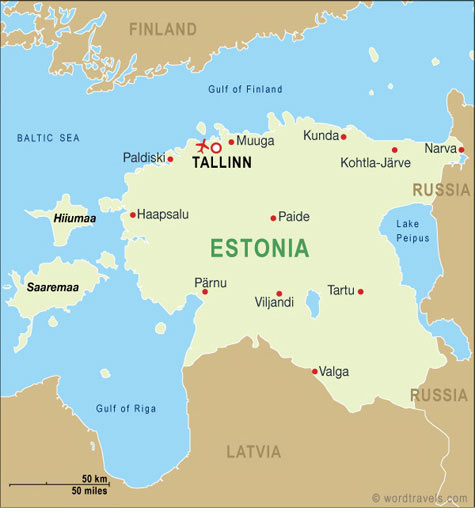
On the European map Estonia is here:

In case you don't know, here's Europe in the middle of the map, no point in pointing out Estonia separately:
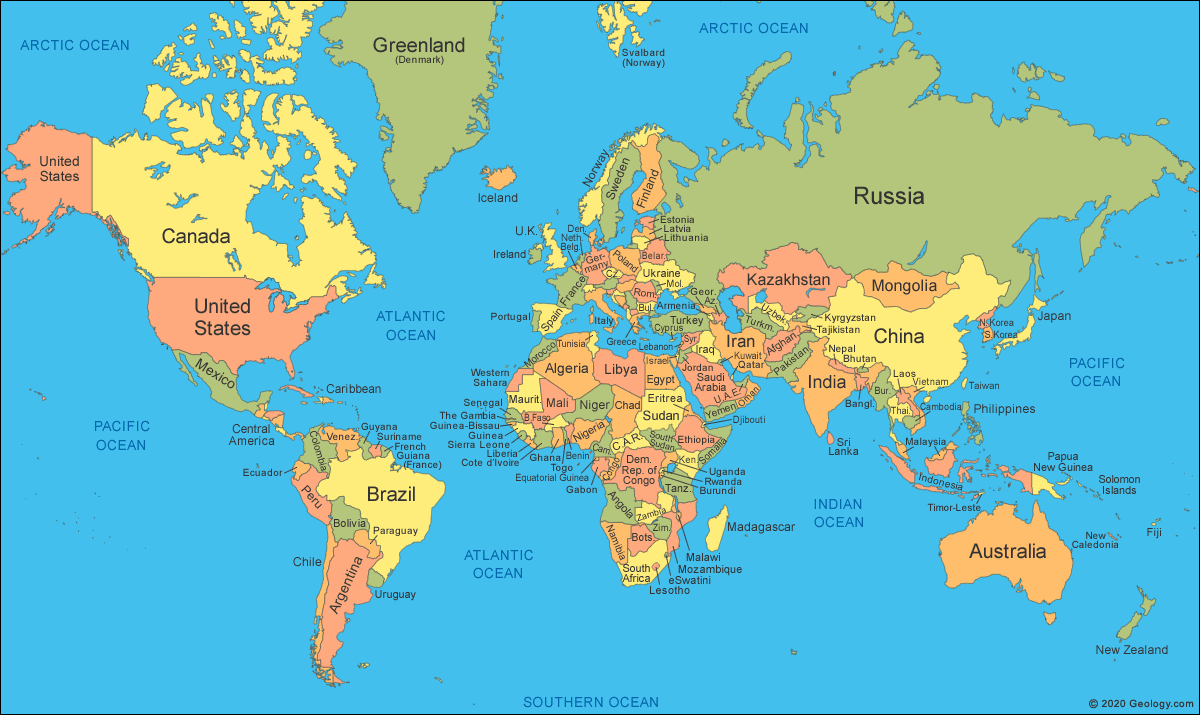
Now if we look on the world map, you'll see that Estonia is the tiny country below Finland, next to Russia and on top of another tiny country Latvia. We also see Australia on the map. Now why I'm explaining this is because dingo is a species from Australia. This wouldn't be much of a surprise if the dog was from southern Asia. It is quite common that dingos are bred with other dogs but to find a dingo in Estonia - that's a new one! The person who called us promised to send pictures, but we haven't yet received them so we can't tell for sure anything, but here's a few tips in case your dog turns out to be a dingo:
- Treat it like a dog (not god)
- If it gets aggressive, train him
- Feed him
- Wash him
- Be a good caretaker
Dingos are dogs - just wild ones. They can be trained to be very good pets if they have not yet been used to the wilderness. No need to start hunting and catching dingos to get a pet, they like their wild lives, but if you suspect you have gotten a wild dog, you might want to let your local zoo know, maybe they'd want a dingo in their collection. Other than that, they are pretty much the same way many other dogs are. One plus is that they don't bark.
Back to the zoo life.
Our three gorgeous African elephants are now together in the enclosure. Most of the year they are separately: two females together and the male by himself, that's pretty much how it works in the nature. Those of you who are planning to visit our zoo, do it soon, the elephants will not be together for very long. When they are though, they are amazing to look at. These beautiful elephants can also be viewed from our web cameras: http://www.interactivezoo.eu/index.php?id=2. If you surf a bit around on the website, you can also find other animal web cameras as well.
Here's our male African elephant Carl:

Did you know, that all the elephants living in the zoo all around the world have to be trained? These huge mammals are too dangerous to be completely wild, so it's a safety precaution. As a zoo employee, I have had the chance to go backstage and see what it looks like from the other side, but I have to ruin it to you - it looks the same from the visitors point of view. Actually, even better. The backstage of the elephants is built for comfort and moving, so the constructions are massive and boring. All the keepers are in no direct contact with the elephants which means there's always something between the keeper and the animal. I prefer viewing elephants from the visitor's side though, the pictures are better as well. The web camera number 7 shows pretty well what the backstage looks like.
These web cameras are the same cameras that the keepers use to monitor animals and when there's something going on, the monitoring is on 24/7. Don't forget to watch our snow leopard nest camera: http://www.interactivezoo.eu/index.php?id=8 (nr 1). Our mother Deli is taking excellent care of her surviving cub so the video feed is pretty amazing to watch.
C.
Follow me on instagram @cmyv

Ei kommentteja:
Lähetä kommentti